
How Are Insulated Glass Units Made? A Complete Guide to IGU Production
Insulated Glass Units (IGUs) are used throughout modern window and door manufacturing to improve thermal performance and provide a sealed glazing system suitable for residential, commercial and industrial applications. Also commonly referred to as sealed units or double-glazed units, an IGU typically consists of two or more panes of glass separated by a spacer system and sealed around the perimeter. Depending on the specification, the cavity between the panes may contain dry air or an insulating gas such as argon.
Although the finished unit may appear relatively simple, producing consistent, high-quality IGUs involves a number of carefully controlled manufacturing stages and specialist insulating glass machinery.
Below, we take a closer look at the typical IGU production process and the equipment involved.
1. Cutting the Glass to Size
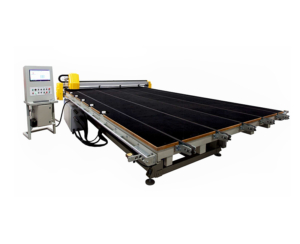
The process begins with cutting the individual glass panes to the dimensions required for the finished unit. Modern glass cutting machines can improve accuracy, repeatability and production efficiency, particularly where manufacturers are processing larger volumes or a wide variety of unit sizes. Depending on the production environment, this stage may use automatic cutting lines, automatic cutting tables or semi-automatic equipment. Where coated glass is being processed, additional operations such as edge deletion may also be required depending on the glazing specification.
2. Washing and Drying the Glass
Once cut, the panes must be thoroughly cleaned before the IGU is assembled.
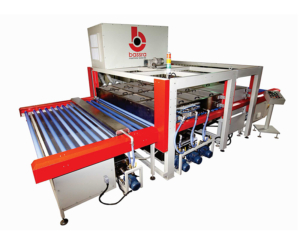
Dust, cutting residue, fingerprints and other contamination can become permanently trapped inside a sealed unit if the glass is not properly cleaned beforehand. This makes washing and drying an important quality-control stage within the production process. A glass washing machine passes the panes through washing, rinsing and drying sections before they move into assembly. Manufacturers can use either horizontal or vertical configurations depending on their production setup, available floor space and the wider machinery being used.
3. Preparing the Spacer
The spacer creates the cavity between the panes of glass and forms an important part of the perimeter structure of the IGU. Depending on the spacer system being used, preparation can involve measuring, cutting and bending the spacer profile before it is assembled into the required frame. Desiccant is also commonly incorporated within the spacer system. Its purpose is to help control moisture inside the sealed cavity and reduce the risk of condensation forming between the panes. Specialist insulating glass equipment can make this part of the process faster and more repeatable.
4. Applying the Primary Seal
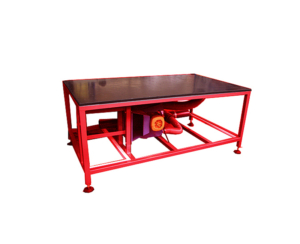
For conventional spacer systems, a primary seal is applied to help create the initial barrier between the spacer and the glass. Butyl is commonly used at this stage. The prepared spacer frame is coated before being positioned between the cleaned panes. Consistent application is important because gaps or irregularities within the sealing system can affect the integrity of the finished unit.
5. Glass and Spacer Assembly
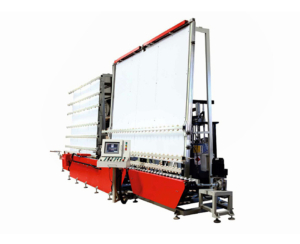
The spacer frame is then positioned between the prepared panes to create the basic IGU assembly. Correct alignment is essential. The glass dimensions, spacer positioning and overall unit geometry must remain consistent before the unit progresses to pressing and final sealing. This stage can be completed using different levels of automation depending on production volume and the design of the insulating glass production line.
6. Pressing the Insulated Glass Unit
The assembled unit is pressed to bring the glass and spacer system together accurately and create a consistent bond. Higher-volume production facilities can use automated panel press lines, while other operations may use semi-automatic roller presses or specialist systems designed around particular spacer technologies.
7. Filling the Unit with Argon Gas
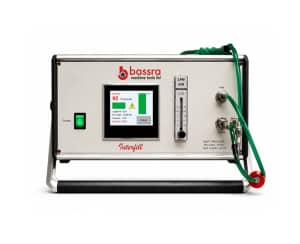
Some IGUs are filled with an insulating gas such as argon rather than simply containing air. Where argon filling forms part of the specification, the gas needs to be introduced into the cavity in a controlled manner during production. Dedicated gas-filling equipment can help manufacturers control this process consistently as part of their wider double glazing manufacturing equipment setup.
8. Applying the Secondary Seal
After assembly and, where applicable, gas filling, the perimeter of the unit is sealed. The secondary seal provides additional structural support and helps maintain the integrity of the finished IGU. Different manufacturing systems may use hot-melt materials or two-part sealants, with the appropriate application equipment selected according to the production method. For higher levels of automation, sealing robots can also be incorporated into the production line.
9. Inspection, Handling and Storage
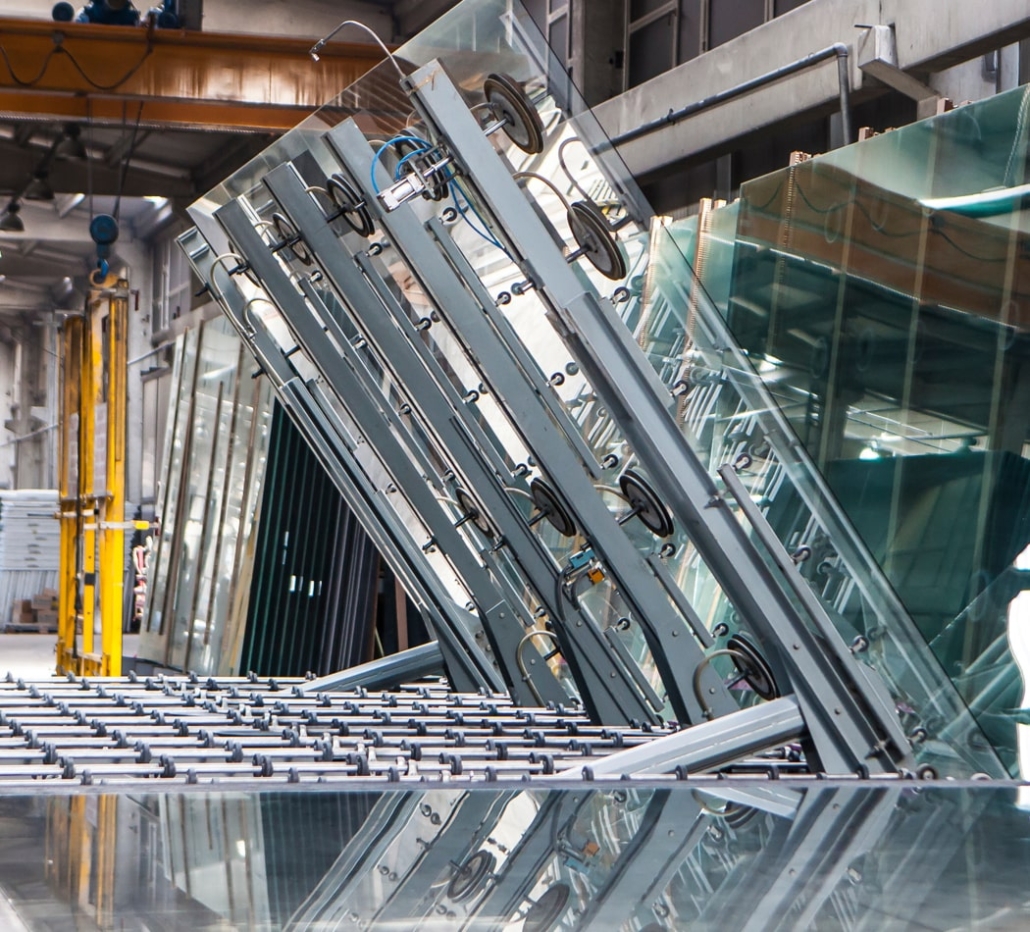
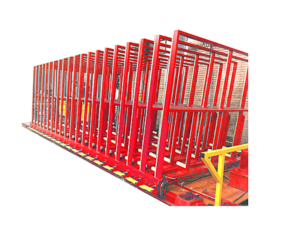
Before finished units leave the production area, they should be checked for issues such as alignment, cleanliness, sealing quality and visible defects. Safe handling is then important to minimise the risk of damage while completed units are moved or stored. Specialist glass handling equipment can include stillages, A-frame trolleys, harp trolleys, finished-unit trolleys and dedicated glass storage systems.
Building an Efficient IGU Production Line
There is no single configuration that suits every glass manufacturer. The right IGU machine and production-line setup will depend on factors including expected output, glass dimensions, spacer system, level of automation, available factory space and the types of sealed units being manufactured.
A smaller operation may use a combination of individual semi-automatic machines, while higher-volume manufacturers may require a more integrated insulated glass production line incorporating washing, assembly, pressing, gas filling and automated sealing.
The key is ensuring that each stage works efficiently with the next. Improving the speed of one process offers limited benefit if another part of the production line creates a bottleneck.
Insulating Glass Machinery from Bassra
Bassra Machine Tools has been involved in the design, manufacture and supply of glass insulating machinery for decades, supporting manufacturers across the UK and internationally. Our range covers equipment used throughout the IGU manufacturing process, including glass cutting machines, glass washing machines, insulating glass machinery, allied machines and glass handling equipment. We also provide technical project support for businesses planning a new insulating glass manufacturing facility or looking to develop, expand or improve an existing production setup.
Discuss Your IGU Production Requirements
If you’re planning a new IGU production facility, upgrading existing machinery or looking to improve your current production process, our team can help you identify suitable equipment and solutions.
Get in touch with the Bassra Machine Tools team to discuss your requirements.
Frequently Asked Questions
What does IGU stand for?
IGU stands for Insulated Glass Unit. It is a sealed glazing unit made from two or more panes of glass separated by a spacer, creating an enclosed cavity between the panes.
What are the main stages of IGU manufacturing?
The process typically involves cutting the glass, washing and drying it, preparing the spacer, assembling and pressing the unit, applying the required seals and, where specified, filling the cavity with an insulating gas. The finished unit is then inspected before handling and storage.
Why does glass need to be thoroughly cleaned before an IGU is assembled?
Once an insulated glass unit has been sealed, contamination between the panes cannot easily be removed. Effective washing and drying therefore helps prevent dirt, residue, water marks or other contaminants from becoming trapped inside the finished unit.
What is the purpose of the spacer and desiccant in an insulated glass unit?
The spacer creates the required distance between the panes of glass and helps form the cavity within the unit. Desiccant is used to absorb residual moisture and help reduce the risk of condensation developing inside the sealed cavity.
What quality checks are carried out during IGU production?
Manufacturers may check factors including glass cleanliness, spacer alignment, unit dimensions, seal application and overall visual quality. Consistent quality control throughout production helps identify issues before finished units are moved into storage or prepared for installation.

